
Blog
- Home
- Blog
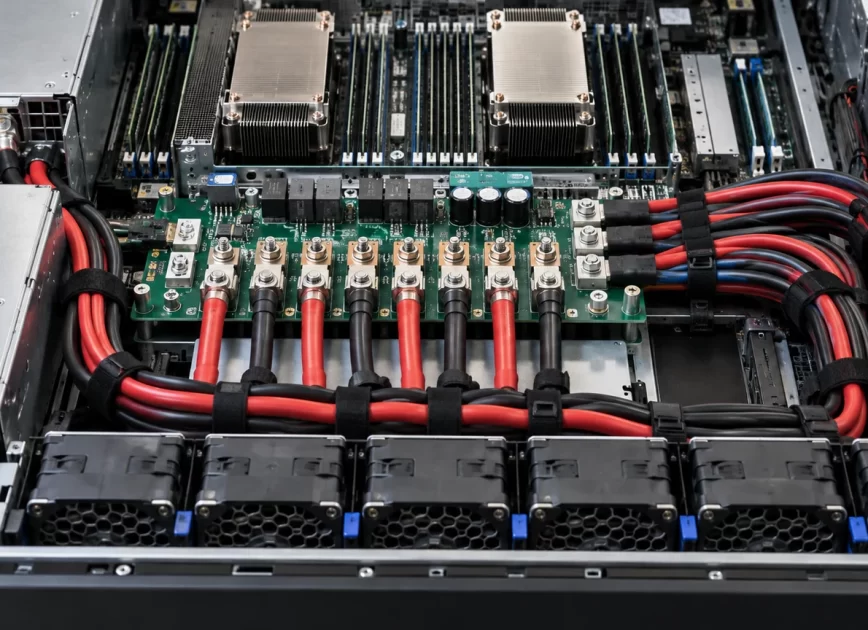
A 750W 12V server power supply can deliver useful capacity only if the server's distribution path carries that power to the loads without excessive voltage drop, heating, or unstable behavior during fast changes in demand. The 750W label describes a...
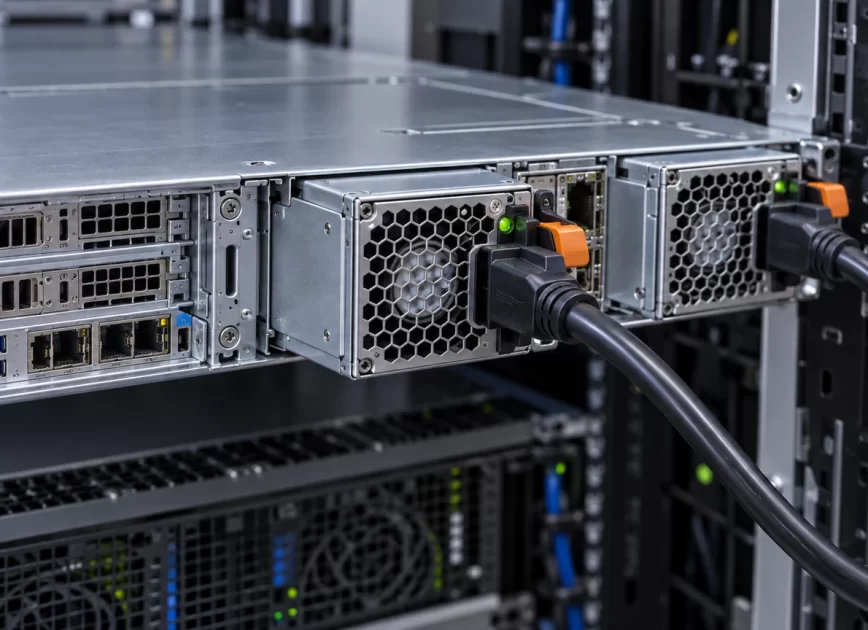
A 1300W Titanium server PSU is often considered when a server moves beyond a conventional compute population into dense storage, high-speed networking, or accelerator-heavy work. The useful decision is not “does the system need 1300W?” It is “under what electrical,...
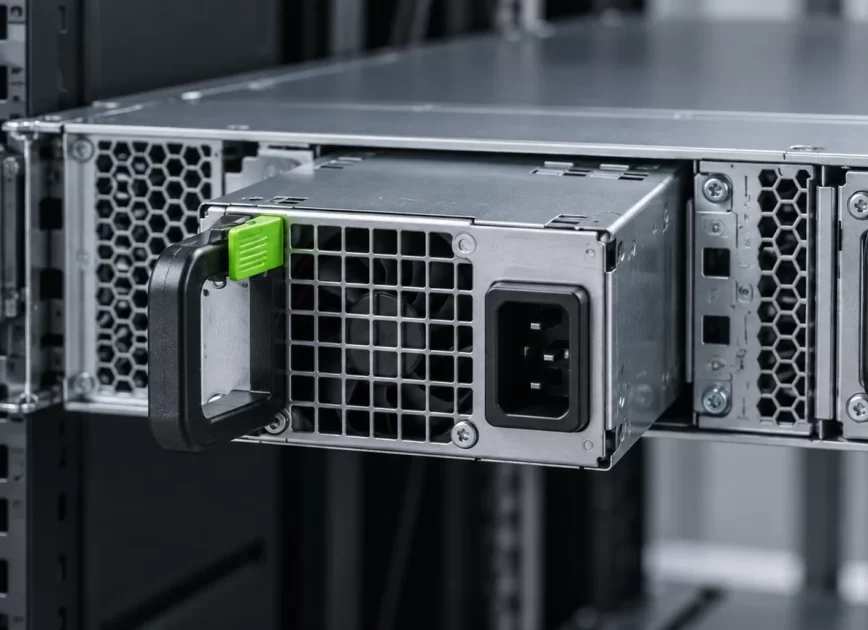
A 1000W Titanium server PSU should be selected against the load the server must sustain, not against a convenient round number. In a redundant platform, the decisive condition is usually not the normal shared load. It is the surviving module,...
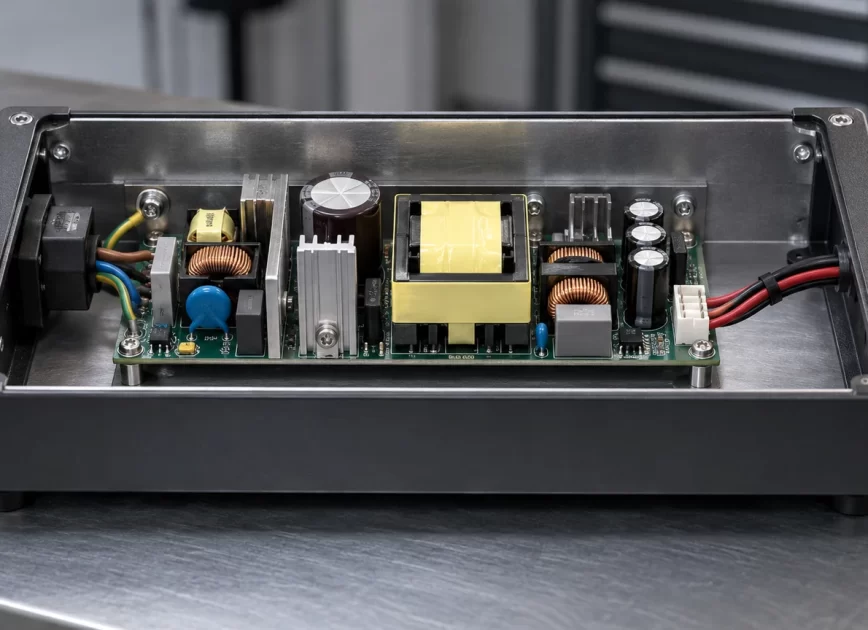
A low-profile AC-DC open frame power supply solves a mechanical problem first: the available vertical envelope is too small for a conventional enclosed unit. That constraint changes far more than board height. It affects airflow, touch protection, wiring clearance, insulation...
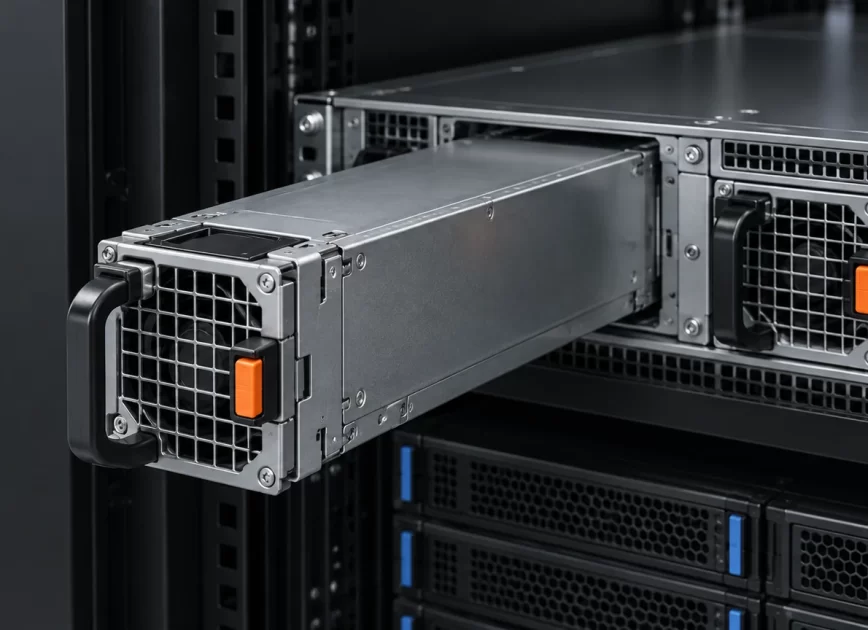
A 1500W 80 PLUS Titanium server PSU is not a universal upgrade for a server that happens to need more power. It is a high-capacity module whose usefulness depends on the host chassis, power-distribution board, input service, redundancy architecture, cooling...